
Paying in Korea as a Visitor: Foreign Cards, Cash and ATMs
You can pay with a foreign card in a lot of places in Korea — hotels, department stores, chain restaurants, convenience stores. You still want a backup, because some smaller shops, markets and ticket machines work more smoothly with cash, and not every ATM accepts every foreign card.
Here's a simple setup that covers most trips: one main card, one backup card, a little cash, and a plan for where to withdraw more won if you need it.
⚡ Quick answer
- Prices usually include tax Korea's standard VAT rate is 10% (National Tax Service).
- Cards Foreign Visa and Mastercard are widely used at bigger stores and hotels. Some smaller places are cash-only. If a terminal asks, paying in Korean won is usually simpler than paying in your home currency.
- ATMs Use a machine that shows your card network's logo (Visa, Mastercard, Plus, Cirrus, UnionPay and so on). Many have an English menu. Your home bank may add its own fee.
- Exchange Airport bank counters and money-exchange booths can convert cash on arrival. VISITKOREA notes typical money-exchanger hours of 06:00-22:00, with some locations open 24 hours. Bank branches at the airport are often 09:00-16:00 on weekdays.
- Customs allowance Korea Customs says travelers may bring in goods with a total taxable value of US$800 or less, with separate limits for liquor, cigarettes and perfume. Declare amounts above the allowance.
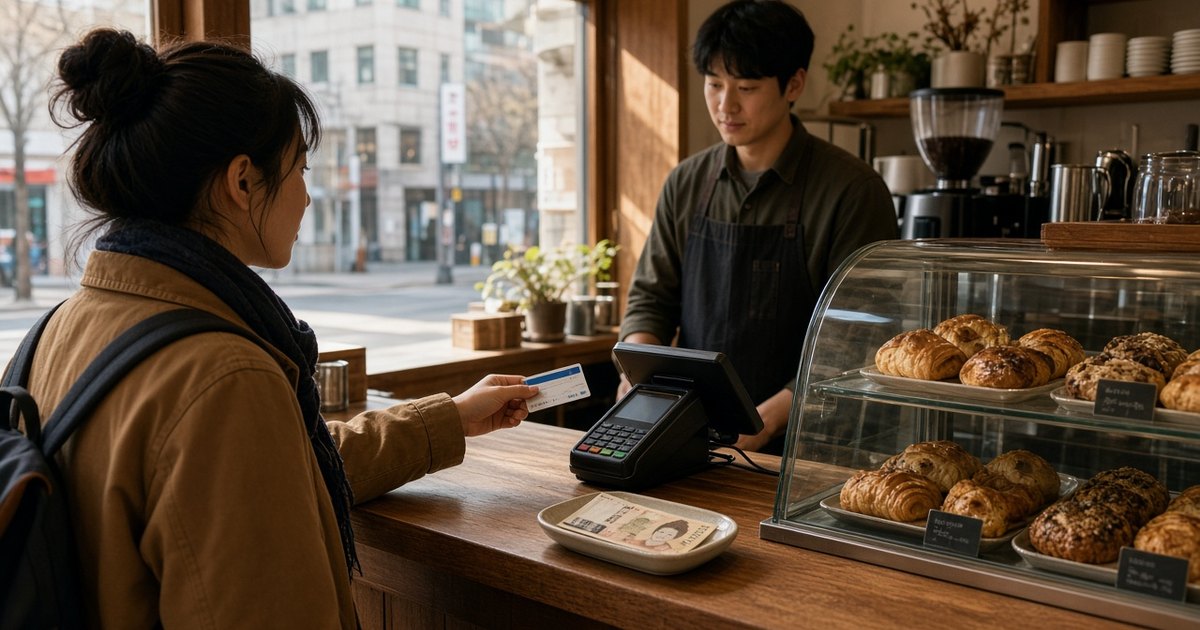
Will my foreign card work?
In practice, cards from major networks work at most hotels, department stores, convenience stores, chain cafes and many restaurants. That is not the same as every shop. A small restaurant, a market stall, or an older payment terminal may not take a foreign card, or may only take certain networks.
Before you leave home, tell your bank you'll be in Korea, and confirm that international purchases and ATM withdrawals are turned on. Bring a second card from a different network or bank, and keep it separate from the first one.
If a payment terminal asks whether you want to pay in your home currency or in KRW, choosing KRW avoids an extra conversion by the terminal. Your own bank still converts the charge.
How do I get Korean won?
You can bring some cash and exchange it, or withdraw won from an ATM with a foreign debit or credit card, or both.
VISITKOREA's airport exchange page (updated Sept 11, 2026) says inbound travelers can convert money at bank branches and money-exchange counters inside the airport. Hours and locations vary by bank. It gives a typical money-exchanger window of 06:00-22:00, with some locations operating 24 hours. Bank branches it lists at Incheon (KB, Hana, Woori) are generally 09:00-16:00 on weekdays and closed on weekends and public holidays — and it notes that hours may vary. Check www.airport.kr for Incheon, and the Gimpo airport site for Gimpo.
Banks often post a clearer rate than a last-minute booth, but the airport is still the easiest place to get a starter amount of cash if you land late. You don't have to exchange a large sum on day one.
Which ATMs accept foreign cards?
Look for a machine that displays your card network's logo, and choose English (or another language you read) at the start of the screen. If the machine offers to dispense your home currency or KRW, choose KRW.
Fees come from two sides: the machine may show a surcharge, and your home bank may charge an overseas ATM or foreign-transaction fee. This guide does not list a single official fee, because it depends on the machine and your bank. Read the on-screen notice before you confirm, and check your bank's overseas-ATM rules before you travel.
If the first machine declines the card, try another bank's ATM or a machine in a subway station or convenience store, rather than retrying the same one several times.
Some visitors use a multi-currency card or account so they can convert money at a mid-market rate and then spend or withdraw abroad. Wise is one of those options. It is not the only one, and it does not replace a backup bank card. Compare the fee you'd actually pay, and check that the product works for your country before you switch your whole trip onto it. If you sign up through the link, we may earn a commission.
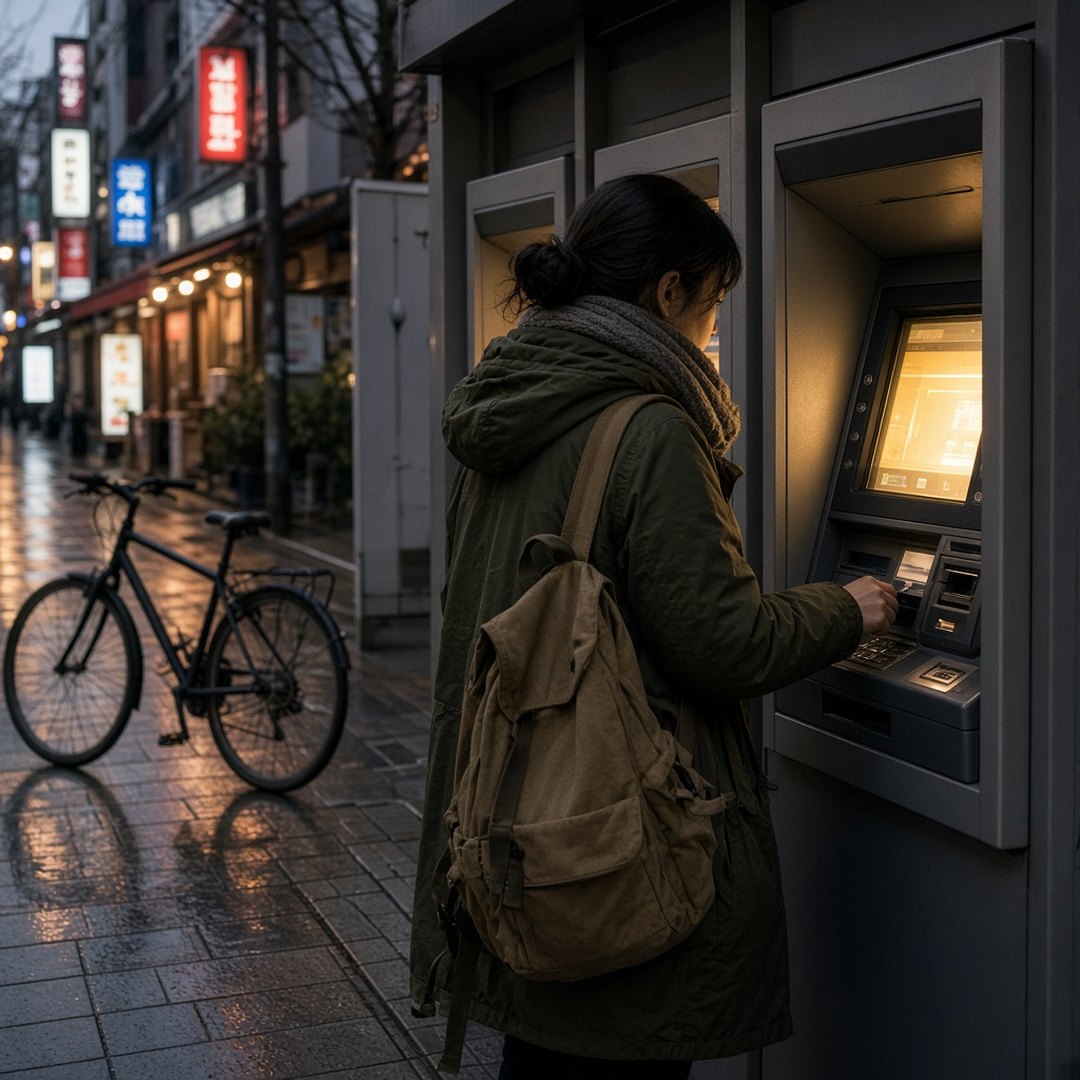
A simple money setup, step by step
Turn on international payments and ATM withdrawals. Pack two cards, and save your bank's overseas phone number offline.
If you need cash immediately, exchange a small amount or use an international-network ATM. You can get more later.
Pay by card where it's accepted. Keep some won for markets, small restaurants, and machines that want cash.
Try the backup card, then cash. Don't keep tapping the declined card.
Spend leftover coins, or exchange remaining notes at the airport. Tax-refund shopping has its own steps — see that guide.
What can I bring into Korea without extra tax?
This is about goods in your luggage when you arrive, not about tax refunds when you shop in Korea.
Korea Customs' English passenger guide says the basic tax-exemption allowance is US$800 or less of the total taxable value of goods (with tighter quantity and value limits for agricultural, livestock and fishery products). Apart from that, travelers may also bring up to 2 liters of liquor worth no more than US$400, 200 cigarettes (and a listed e-cigarette/liquid-nicotine limit), and 100 ml of perfume. Minors under 19 (based on year of birth) do not get a liquor or cigarette allowance.
If you bring more than the allowance, declare it. Customs says a voluntary declaration can reduce the duty compared with being caught after a non-declaration. Means of payment over US$10,000 also need to be declared under the foreign-exchange rules cited on that page.
Common mistakes
• Arriving with only one card and no cash.
• Using a random unmarked ATM, or accepting a conversion into your home currency without checking the fee.
• Exchanging all your money at once on arrival, then paying a second fee to change it back.
• Mixing up the US$800 customs allowance, the US$800 duty-free shop limit, and the VAT tax-refund rules.
| Korean term | Say it | What it means |
|---|---|---|
| wonhwa | won-hwa | Korean won |
| hwanjeon | hwan-jeon | Currency exchange |
| ATM / hyongeum inchulgi | hyeon-geum in-chul-gi | ATM |
| haeoe kadeu | hae-oe ka-deu | Foreign-issued card |
FAQ
Q. How much cash should I carry?
A. There's no official right amount. Many visitors start with a small amount for the first day (transport, a meal, a backup) and withdraw more if they need it. Big department-store and hotel bills are often easier on a card.
Q. Do I need a Korean bank account?
A. Not for a short visit. Tourists typically use foreign cards, cash, and sometimes a tourist prepaid card. A Korean account usually needs a residence registration.
Q. Is tipping expected?
A. Everyday tipping is not a general custom in Korea. This guide doesn't treat a tip as required. If a high-end hotel or restaurant already added a service charge, you don't need to add another one on top unless you want to.
Q. Where can I check airport bank hours?
A. VISITKOREA points to www.airport.kr for Incheon, and lists branch hours that may change. Check the airport or bank page close to your flight date.
👉 What to do next
- Call or message your bank so international charges and ATM withdrawals are allowed.
- Pack two cards and a small amount of cash, or plan one ATM withdrawal on arrival.
- If you want a travel account or card to compare fees, check the product works for your country first.
- If you'll shop for souvenirs, read the tax-refund thresholds before you queue.
Settled in Korea is an independent, unofficial guide. We are not a government agency, law firm, tax firm or visa agency, and we don't file anything on your behalf. Rules and numbers change, so please double-check the official sources below before you act. Images are AI-generated photographs, not official documents or forms.
Official sources
- National Tax Service — VAT rate for general taxpayers: 10% for all industries (checked Nov 11, 2026)
- VISITKOREA — Korean Currency and Exchange Info: Foreign Exchange Banks in Airports; page noted as updated Sept 11, 2026 (checked Nov 11, 2026)
- Korea Customs Service (English) — Customs Clearance Guide for Passengers, including the US$800 allowance (checked Nov 11, 2026)
- VISITKOREA — Comprehensive Tax Refund Guide (duty-free limit and tax-refund system are separate) (checked Nov 11, 2026)
- Incheon International Airport (listed by VISITKOREA for bank / exchange locations)


Comments
Post a Comment